How to Check Your Coolant Level and Spot a Leak Before Your Engine Overheats
Coolant is the fluid drivers check least — until the temperature gauge climbs, steam rolls out from under the hood, and a simple top-up turns into a tow and a repair bill. The good news: checking the level takes two minutes, spotting most leaks takes a flashlight and a clean floor, and catching either early is one of the cheapest ways to protect your engine.
Why Coolant Matters More Than You Think
Coolant does three jobs at once. It carries heat away from the engine to the radiator, it raises the boiling point and lowers the freezing point of the fluid in the system, and its additives protect internal metal surfaces from rust, corrosion, and scale. As coolant ages, those additives wear out — old fluid can look fine and still protect poorly, so color and condition matter too.
The classic warning signs are a temperature gauge that runs hotter than it used to, a sweet smell after driving, puddles or crusty residue under the front of the car, a heater that blows cool at idle, and a low-coolant warning light. Any one of those is a reason to pop the hood the same day — an engine that overheats badly even once can turn a hose problem into an engine problem.
What You’ll Need
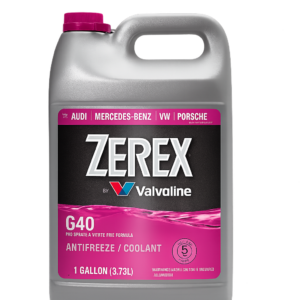
Zerex Coolant/Antifreeze — 1 Gallon — $26.99 — The correct top-up and refill fluid. Match the formulation and color your vehicle specifies, and never mix unknown coolants — if the system is contaminated or the type is unclear, a flush is the safer move.
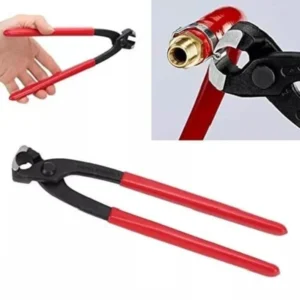
Coolant Hose Clamp Pliers — $11.99 — For removing and refitting the ear-style hose clamps you will meet the moment a tired hose needs to come off. Carbon steel with a PVC grip, sized for tight engine-bay spaces.
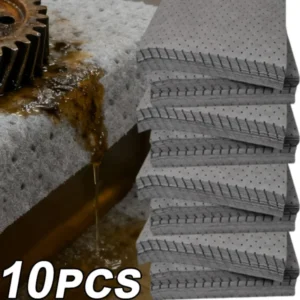
Absorbent Pads / Spill Mats — from $13.99 — Slide one under the car overnight — a fresh wet spot tells you a leak is active and roughly where it lives.
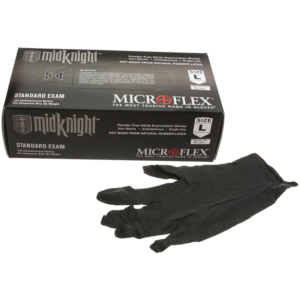
Nitrile / Latex Disposable Gloves — $24.99 — Coolant is toxic. Gloves on for every step, and keep spills away from pets — its sweet taste attracts animals and it is poisonous to them.
You will also want a flashlight, a clean rag, and your vehicle’s manual for the correct coolant type and any model-specific fill or bleed procedure.
How to Check the Level, Step by Step
1. Check it cold. Park on level ground and wait until the engine is completely cool — first thing in the morning is ideal. Never open a radiator or reservoir cap on a hot engine: the system is pressurized, and hot coolant can spray and burn. This rule has no exceptions.
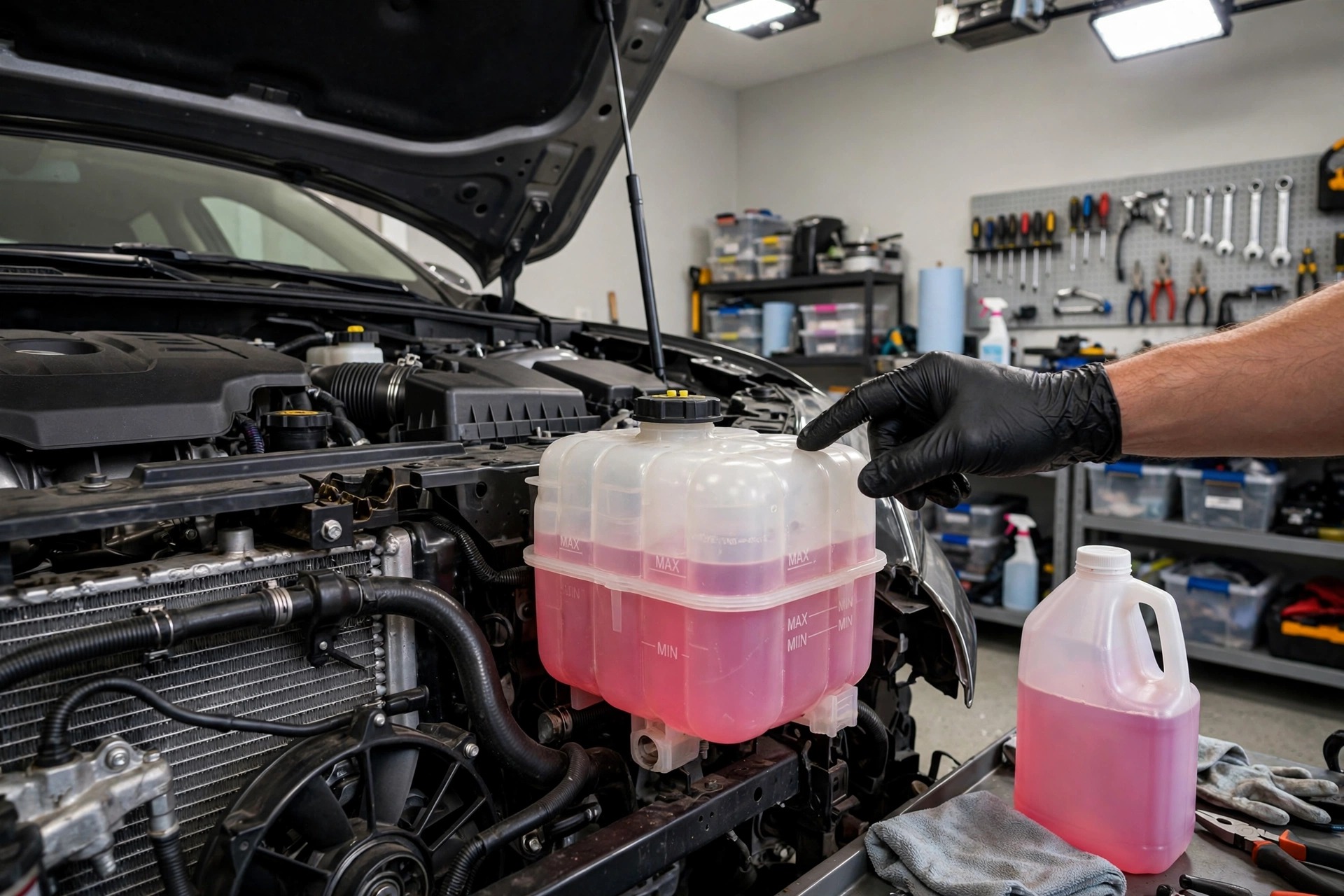
2. Read the reservoir. Find the translucent overflow tank — it has MIN/LOW and MAX/FULL marks molded into the side. The level should sit between the marks. Shine your flashlight behind the tank if the fluid is hard to see, and note the color while you are there: healthy coolant is bright (pink, orange, green, or blue depending on type). Brown, rusty, or oily-looking fluid is overdue for service.
3. Top up correctly, if it is low. Add the correct coolant — like the Zerex coolant matched to your vehicle — slowly to the MAX line, using premix or the mix ratio your manual specifies if you are using concentrate. Do not overfill; the tank needs expansion room. Then make a note of the date and level: coolant does not get “used up,” so if it is low again in a week, you have a leak to find, not a fluid to keep adding.
Hunting a Leak: Where to Look First
Start with the overnight test: park over a clean absorbent pad or a sheet of cardboard. A wet spot near the front points to the radiator, hoses, or water pump area; a spot further back can be a heater hose or core. On a cool engine, run your flashlight along both radiator hoses — squeeze them gently; they should feel firm and pliable, not crunchy, mushy, swollen, or rock-hard. Look for white, pink, or green crust at every hose connection: dried coolant residue is a leak’s fingerprint, even when nothing is dripping today.
Check the radiator cap and reservoir cap seals, the radiator’s plastic end tanks for hairline cracks, and around the water pump for staining or a damp weep hole. If a hose end is weeping at its clamp, that is often the clamp or the hose end itself — the fix is a fresh hose section and a properly fitted clamp, which is where the hose clamp pliers earn their drawer space. If you cannot find the source but the level keeps dropping, have the system pressure-tested rather than guessing — a shop can find in minutes what eyes miss.
When a Top-Up Is Not Enough
Top up and monitor when the level is slightly low, the fluid is clean and bright, and it stays put for weeks afterward. Flush and refill when the fluid is discolored, rusty, contaminated, of unknown type, or past the service interval in your manual. Replace — don’t just refill — when you find a cracked hose, a leaking radiator, or a failing cap. And if the gauge ever climbs into the red: pull over safely, shut the engine off, and let it cool completely before touching anything. Driving “just a few more minutes” overheated is how head gaskets die.
Make the two-minute reservoir check part of every oil-change routine and you will catch cooling problems while they are still cheap. Need the right coolant, clamps, pads, or gloves for the job? Shop at dautohaus.com — DAutoHaus serves drivers and shops across Long Island with parts, fluids, and tools that ship to your door. Questions? Call or text (631) 800-9911 and we will help you pick the right formulation for your car.