That first frosty morning of the year is always a surprise. You walk out to your car, coffee in hand, and find the windshield glazed over, the tires looking a little low, and the engine cranking a beat slower than it did yesterday. Winter doesn’t wait for a convenient moment — and neither does your car.
The good news: a quick hour in your driveway this weekend can save you from a dead battery, a blowout, or a white-knuckle drive through the season’s first ice storm. Here are the five checks our team recommends before winter really settles in.
1. Test Your Battery Before the Cold-Crank Strain
Your battery works hardest in the cold. At freezing temperatures, a battery loses roughly a third of its cranking power, while thickened engine oil makes the starter demand even more from it. That’s a brutal combination — and it’s exactly why batteries love to die on the coldest morning of the year.
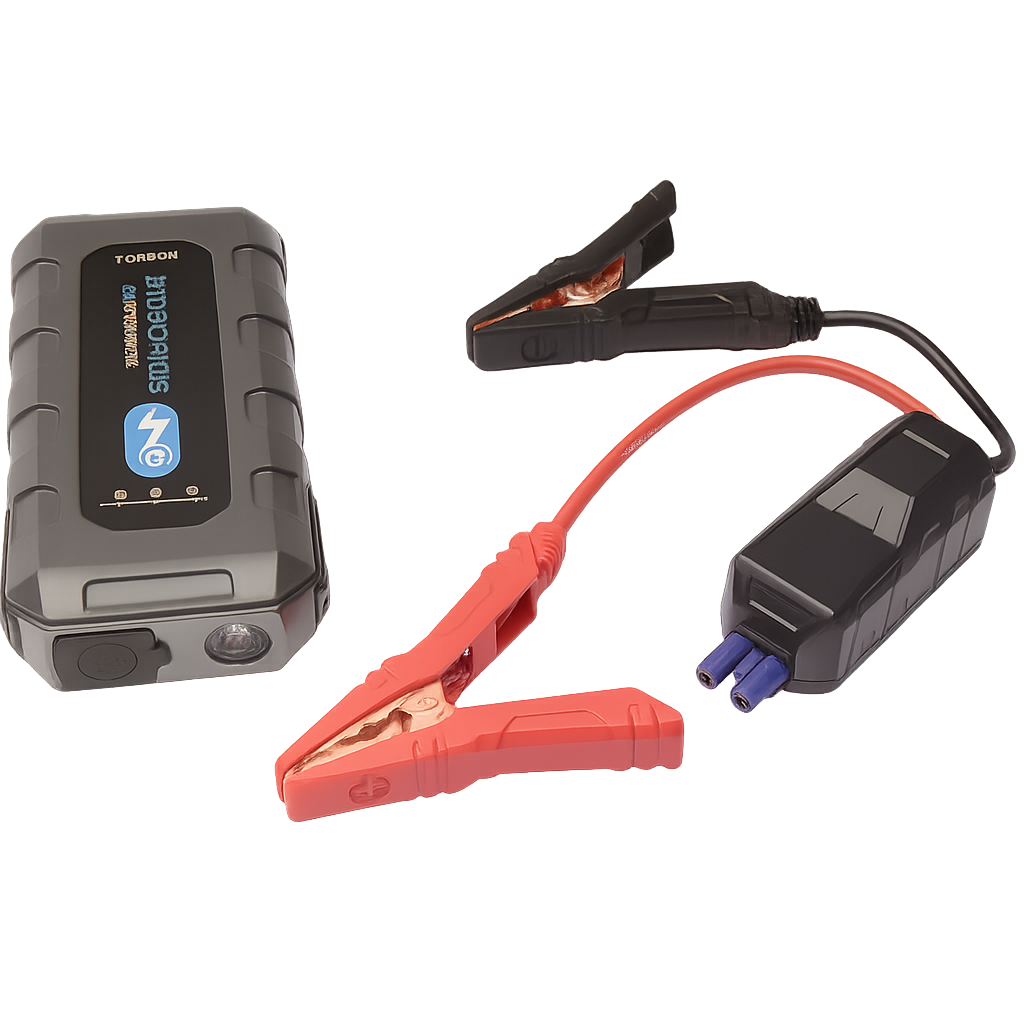
If your battery is three or more years old, have it load-tested at any auto parts store. While you’re under the hood, check for corroded terminals and clean them with a wire brush and a baking-soda solution. And even with a healthy battery, keep a backup plan in the trunk. A compact jump starter like the Topdon Battery Jumper Pack V2200PLUS can bring a dead battery back to life without needing a second vehicle — cheap insurance for a freezing parking lot at 6 a.m.
2. Check Tire Pressure and Tread
Tire pressure drops about one PSI for every 10°F the temperature falls. A tire that was perfectly inflated in August can be dangerously low by November, and underinflated tires wear faster, drink more fuel, and grip less on wet or icy roads. Check pressures monthly with a reliable gauge, and always go by the placard on the driver’s door jamb — not the number molded on the tire sidewall (that’s the maximum, not the target).
Then take a look at your tread. The classic penny test still works: insert a penny upside-down into the tread, and if you can see the top of Lincoln’s head, your tread is too worn for winter driving. If you live where snow sticks around, this is also the time to schedule a swap to winter tires before the rush.
3. Top Off Your Fluids
Cold weather is merciless to neglected fluids. Coolant (antifreeze) should be at the full line and mixed at the right ratio — most blends protect down to about -34°F, but only if they haven’t been diluted by years of topping off with plain water. An inexpensive coolant tester can confirm your freeze protection in seconds.
Engine oil thickens in the cold, so if you’re due for a change, don’t put it off; check your owner’s manual for the recommended winter viscosity. And don’t forget washer fluid. Summer bug-wash formulas can freeze in the reservoir and crack it, so switch to a winter blend rated for freezing temperatures before the first hard freeze. It’s a five-minute job that keeps your windshield clear when road spray hits.
4. Get Your Wipers and Lights Ready for the Early Darkness
By mid-November, you’re driving home in the dark every day. Streaky, chattering wipers turn every wet commute into a guessing game — if your blades are more than a year old, or if they smear instead of clear, replace them now. If a full replacement can wait, a blade restorer like this Car Wiper Repairer Tool can extend blade life by cleaning and reshaping the rubber edge.
Then walk around the car and check every light: headlights (both low and high beam), brake lights, turn signals, and reverse lights. A burned-out brake light is a genuine safety issue in dark winter traffic, and it’s usually a five-minute bulb swap.
5. Pack a Real Emergency Kit
No one plans to get stranded, but winter makes it more likely — and more miserable. Build a kit and keep it in the trunk all season: a warm blanket or sleeping bag, a flashlight with fresh batteries, a phone charger, bottled water, a few energy bars, an ice scraper, and a basic first-aid kit. Toss in jumper cables or a portable jump starter, and a small shovel if you park on the street.
If you’d rather grab one ready-made solution, the NEXTOOL Emergency Roadside Kit, 55 Piece covers most of the essentials in one bag. Hopefully you’ll never need it — but you’ll be glad it’s there if you do.
A Little Treat for Getting Winter-Ready
Winter driving doesn’t have to be stressful. These five checks take about an hour and cover the problems that strand the most drivers each year. And while you’re getting your car ready for the season, use code SPOOKY20 at checkout for 20% off your order through October 31. Stay warm out there, and drive safe.