
Will Electric Cars Take Over Gas-Powered Vehicles? And What Does It Mean for Mechanics?
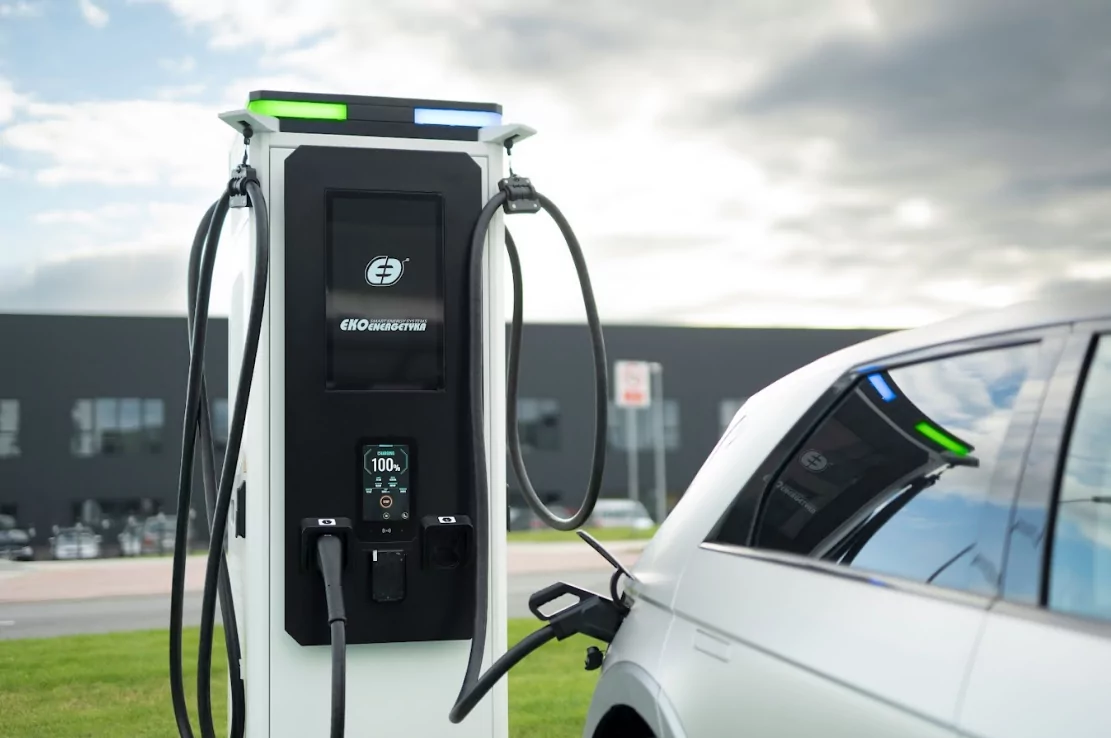
The rise of electric vehicles (EVs) has sparked major debate across the automotive world. As EV technology improves and more charging stations appear on roads, many drivers and automotive professionals are asking: will electric vehicles eventually replace traditional gas-powered cars? And just as importantly, what does this mean for mechanics whose livelihoods depend on servicing internal combustion engines?
The answer isn’t simple, but it points to a future of evolution rather than replacement — both in the vehicles we drive and the skills technicians use to maintain them.
The Growth of Electric Vehicles
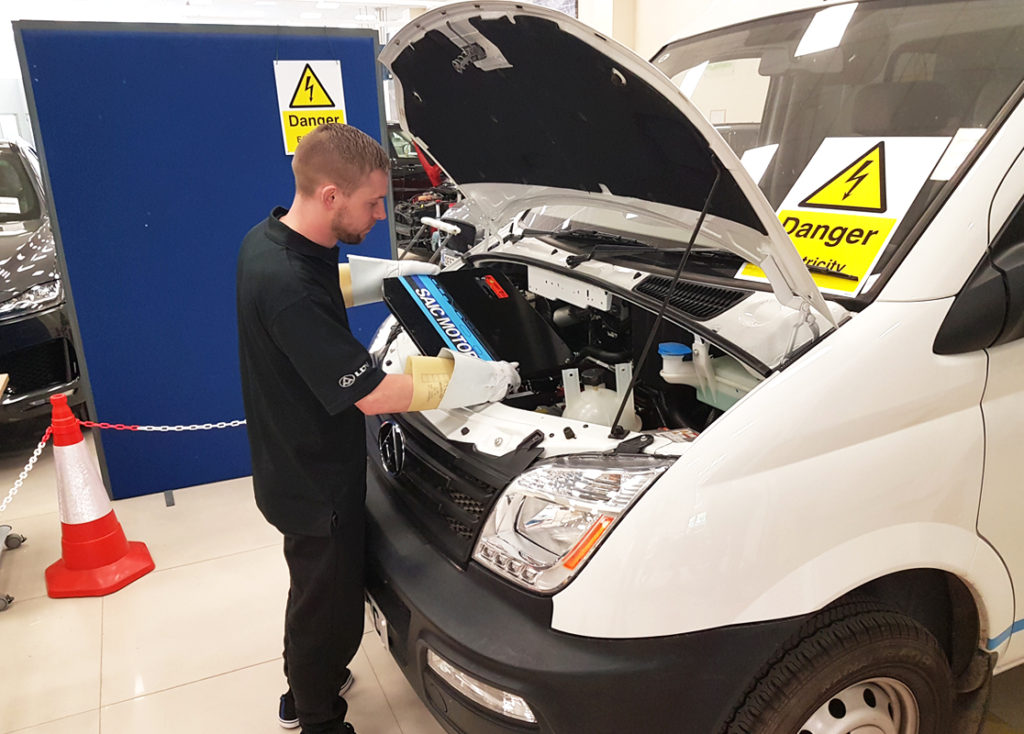
Electric cars have seen remarkable growth in recent years. With advancements in battery technology, more affordable models, and a growing public charging network, EV adoption is steadily increasing. Manufacturers like Tesla, Ford, and GM are committing billions to electric platforms, and new models continue to come to market.
Government incentives and stricter emissions standards also encourage EV purchase. However, even with these trends, gas-powered vehicles still account for the majority of vehicles on the road, especially in rural areas and fleets.
Will Gas-Powered Cars Vanish?
In the foreseeable future, the answer is no. Internal combustion engines will continue to dominate global highways for many years. Millions of gas vehicles remain in use, and hybrids — which blend conventional engines with electric assist — further delay a complete transition.
The Future of the Mechanic: Evolve, Don’t Fade
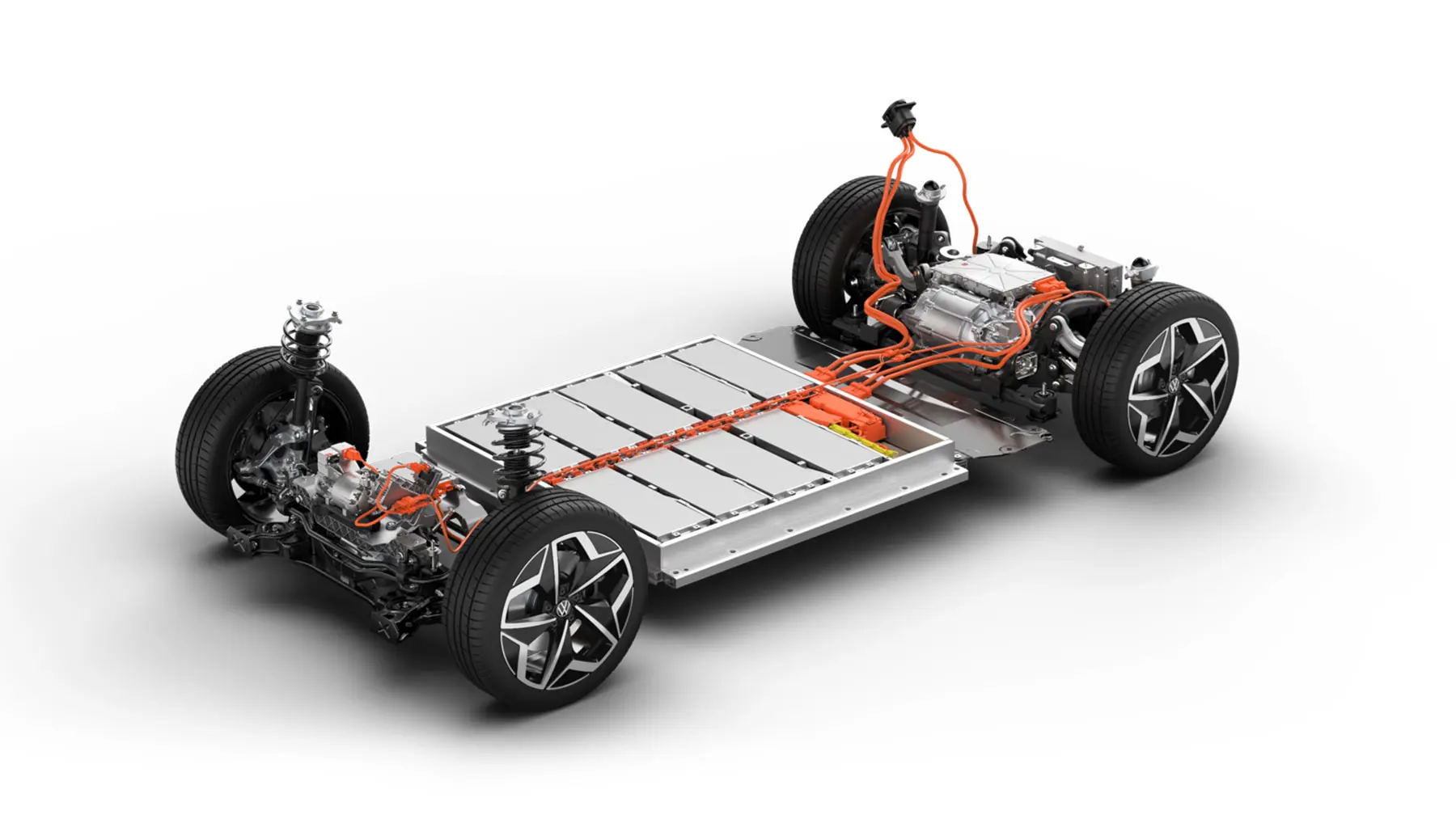
One of the biggest concerns about EVs is that mechanics will become obsolete. This is a misconception. While electric vehicles have fewer moving parts — no oil changes, fuel pumps, or exhaust systems — they still require maintenance. Suspension, brakes, tires, HVAC systems, and advanced diagnostics remain essential services.
Furthermore, EVs bring new domains where technicians must develop expertise: battery health, high-voltage safety, thermal system diagnosis, and electrical control systems. The future mechanic will be even more tech-savvy, blending traditional mechanical knowledge with advanced diagnostic and electrical skills.
Diagnostics and Training Are Key
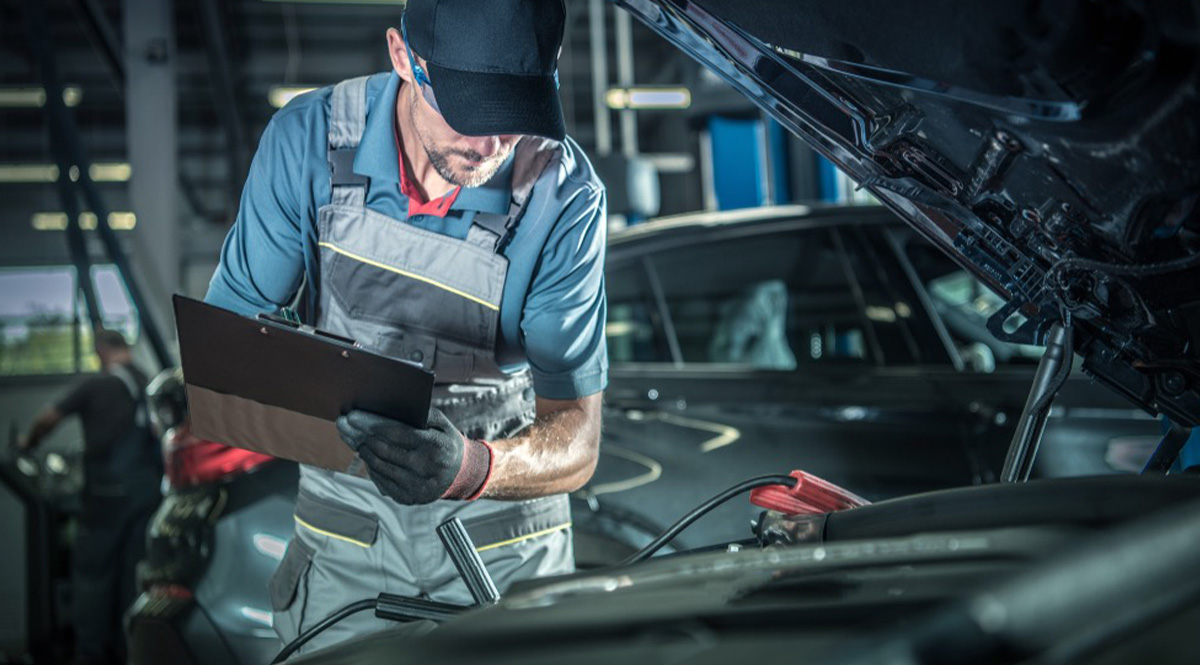
Whether a vehicle is electric, hybrid, or gas-powered, modern repair demands accurate diagnostics. High-quality scan tools and software are essential. Technicians who embrace training and advanced tools will be in high demand. Becoming proficient with EV systems, sensors, and electric drive components adds value to any shop.
This shift doesn’t spell the end of the mechanic. Instead, it points to a broader and more advanced role for automotive professionals — one filled with opportunity for growth and specialization.
Conclusion: Coexistence, Not Extinction
Electric vehicles will continue to grow in market share, but gas-powered cars will remain on the road for decades. The automotive landscape is transitioning, not disappearing. As this evolution unfolds, mechanics who adapt their skills — especially in diagnostics and electrical systems — will thrive.
The future of the automotive service industry is not about choosing sides; it’s about preparing for a diverse fleet of vehicles and meeting their needs with expertise, advanced tools, and ongoing learning.