

Tech Tip Tuesdays: Essential Automotive Repair Tips Every Shop Should Follow
Welcome to Tech Tip Tuesdays — a weekly series for professional technicians and shop owners. If you’re running a busy automotive repair operation (especially in high-volume areas like Long Island, NY), these tips help you diagnose smarter, reduce comebacks, and keep bays moving.
1) Start Every Repair With Proper Diagnostics

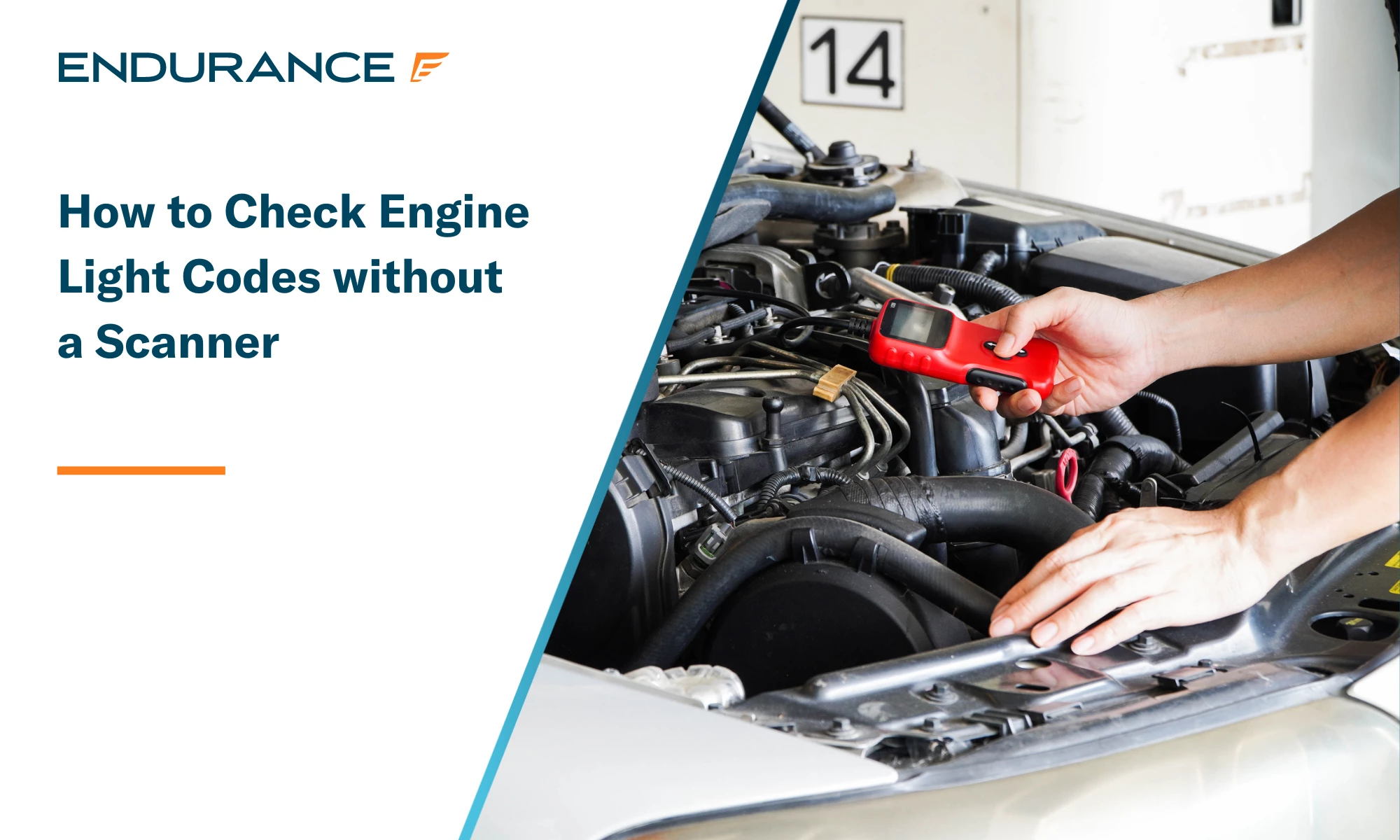
Modern vehicles rely on sensors, networks, and control modules. Because of that, accurate diagnostics must come first. Start by verifying the customer concern and doing a quick visual inspection. Next, scan for codes and capture freeze-frame data. After that, test the affected system to confirm the root cause before replacing parts.
For safety recalls and official recall information, use the NHTSA Recall Database .
2) Use the Right Tools and Follow Torque Specifications
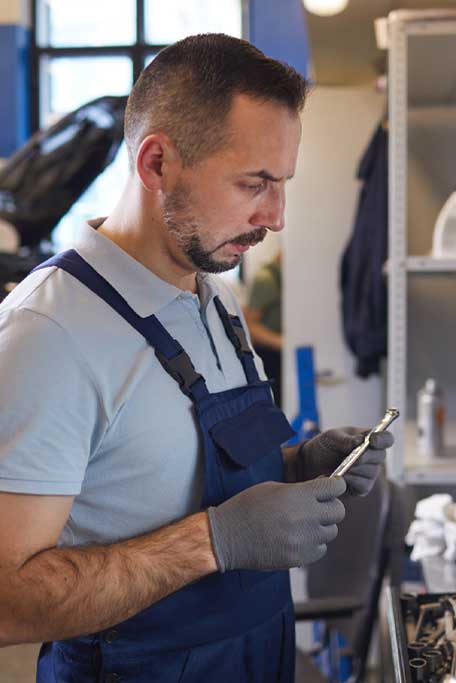
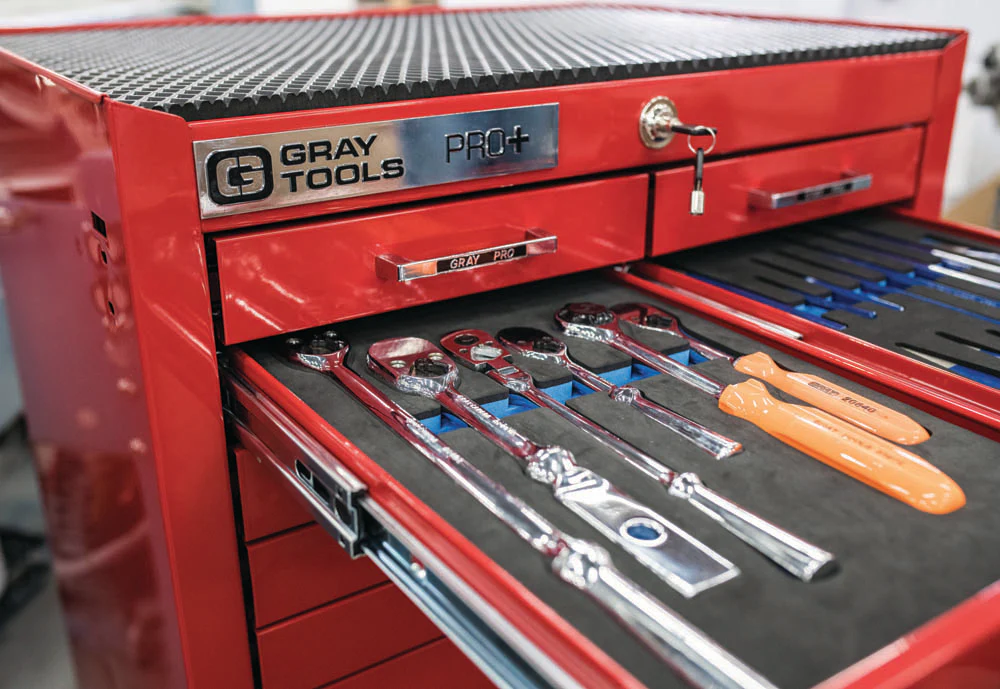
The right tools prevent damaged components and reduce repeat failures. In addition, torque specs matter more than ever. Over-torque can damage threads and housings, while under-torque can cause leaks, noise, and safety issues. A quality torque wrench is a comeback-prevention tool.

3) Electrical Repairs Require a Methodical Approach
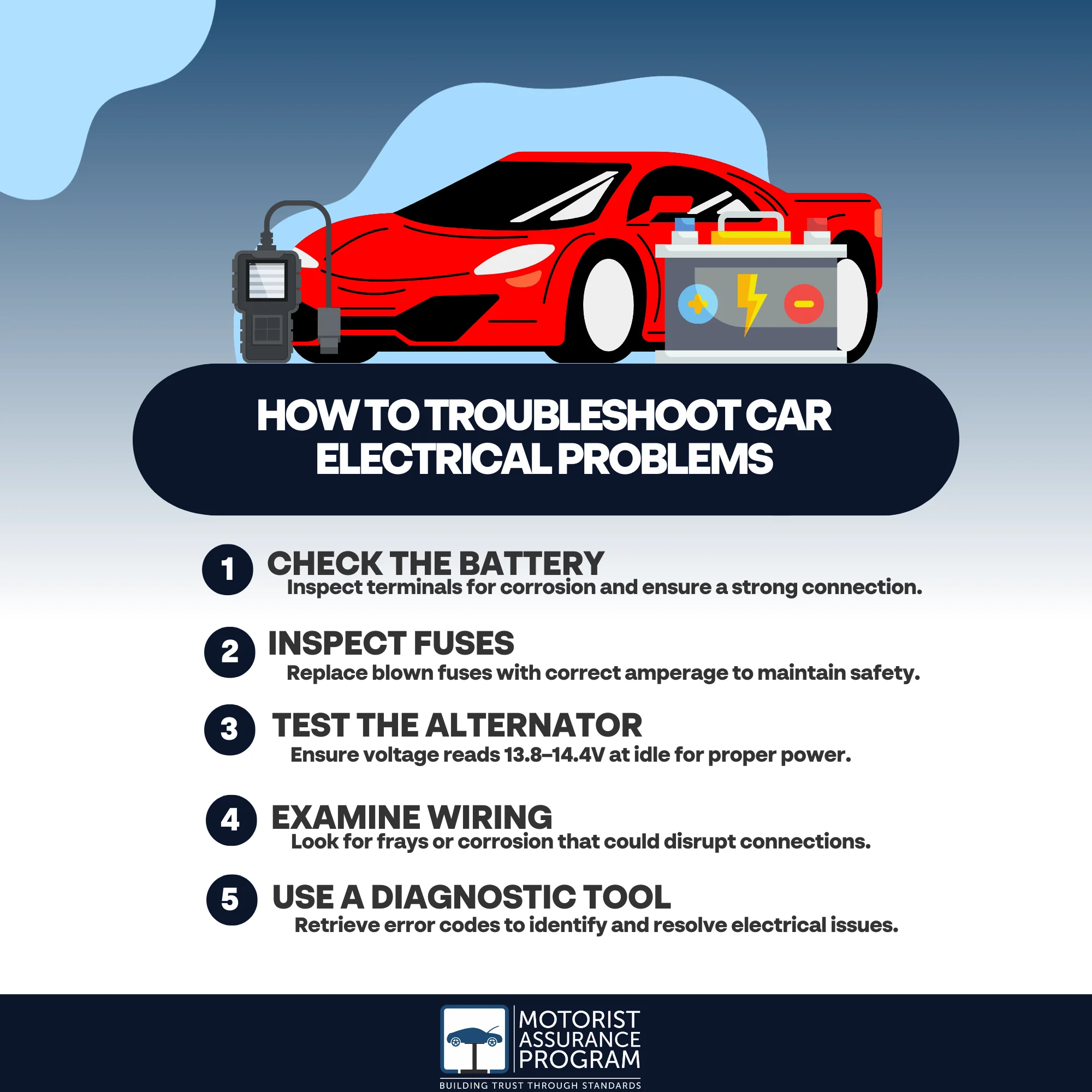
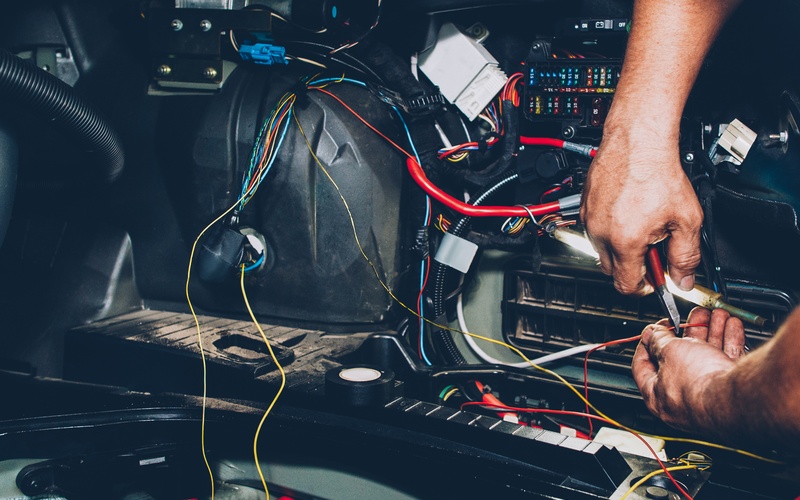
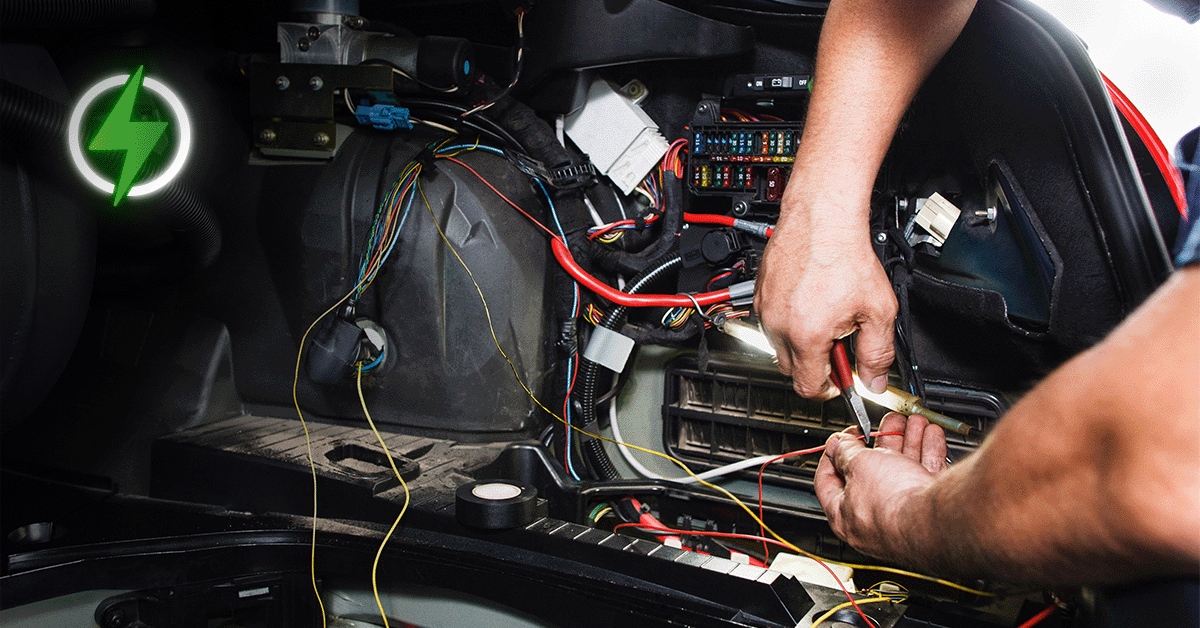
Electrical issues often come down to fundamentals: power, ground, connectors, and wiring integrity. Start by checking battery condition, confirming grounds, and inspecting connectors for corrosion or loose pins. Then use voltage drop testing to find resistance in the circuit before condemning expensive modules.
For shop safety and chemical communication basics (including SDS practices), reference OSHA Hazard Communication .
4) Preventive Maintenance Builds Customer Trust
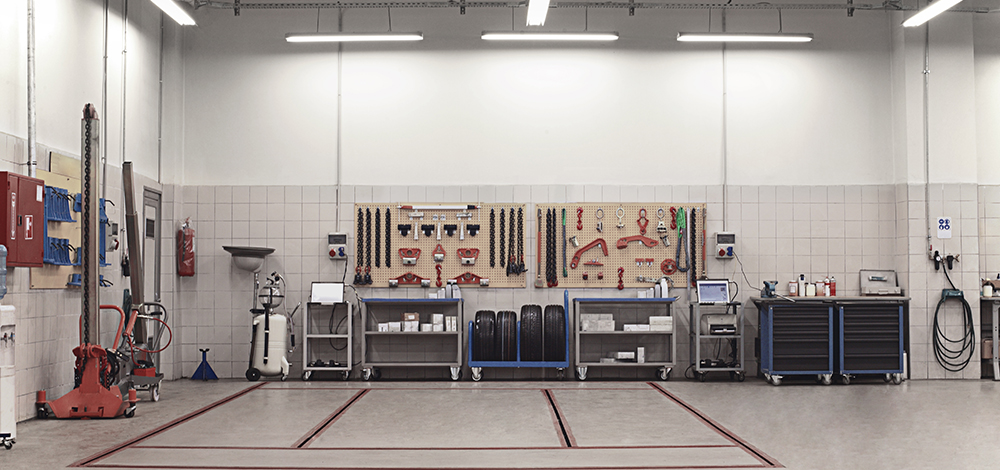
Preventive maintenance keeps vehicles reliable and helps customers avoid breakdowns. While diagnosing a concern, also check condition-based items like brakes, tires, fluids, belts, and hoses. Explain the “why” clearly, and customers are more likely to approve the work and come back.
For customer-friendly maintenance education you can share, see AAA Car Care Articles .
5) Stock Reliable Shop Supplies to Avoid Downtime
Downtime costs money. Keeping essential supplies stocked makes the entire shop faster. Gloves, towels, cleaners, and PPE should be available at every bay so techs stay focused on the repair. Standardizing what your shop uses also improves consistency across the team.
Recommended Shop Supplies From DAutoHaus.com
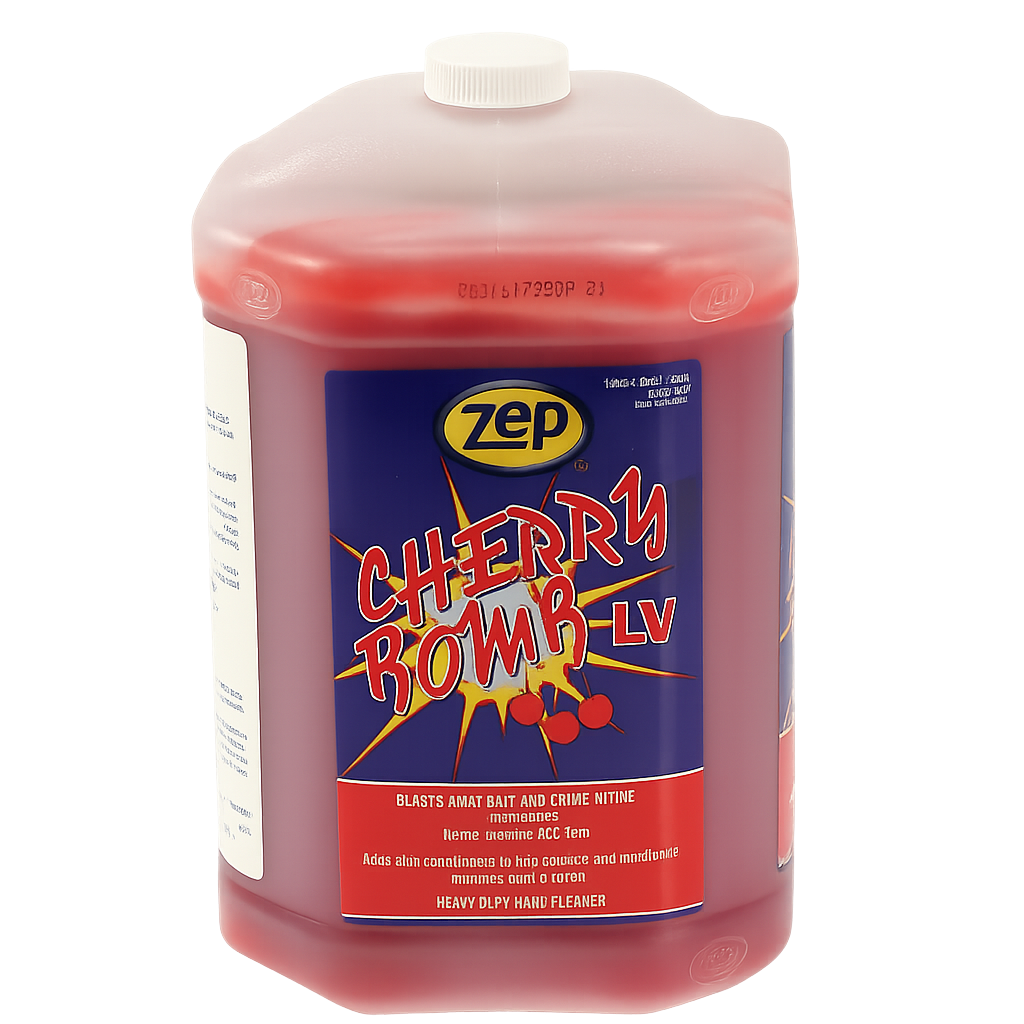
Cherry Bomb Hand Cleaner - 4 Pack
Fast cleanup between jobs. This hand cleaner help remove grease, oil, and grime when you’re moving bay to bay.
View Cherry Bomb Towels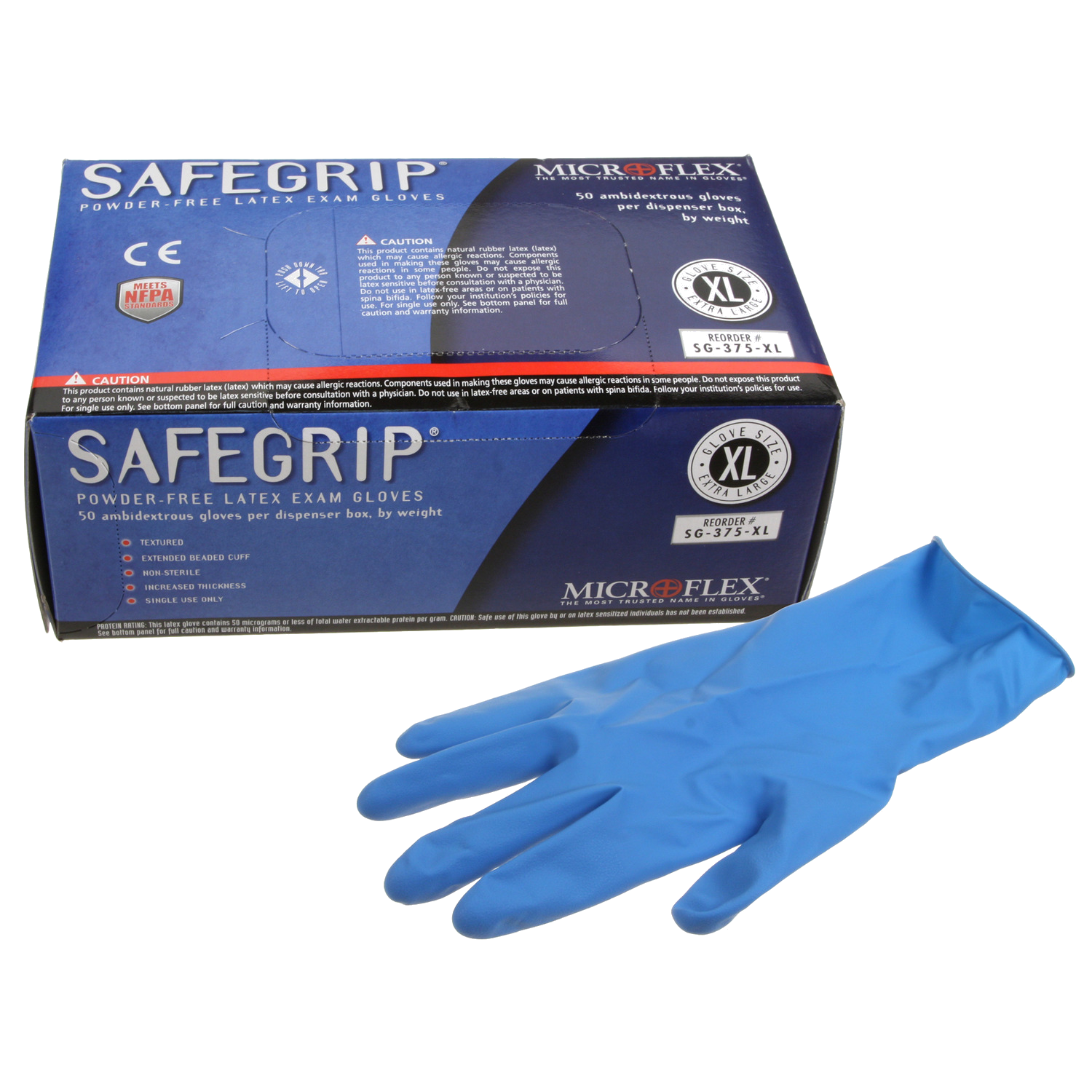
Disposable Gloves
Protect hands during oil changes, brake service, diagnostics, and electrical work. Keep multiple boxes stocked to prevent downtime.
Shop Gloves
Browse more professional shop essentials at DAutoHaus.com.
Tech Tip Tuesdays Final Checklist
- Verify the repair with a road test or functional test.
- Clear diagnostic codes and confirm they do not return.
- Recheck critical fasteners and torque points.
- Inspect for leaks, wiring rub points, and loose connectors.
- Document the repair clearly for future reference.